


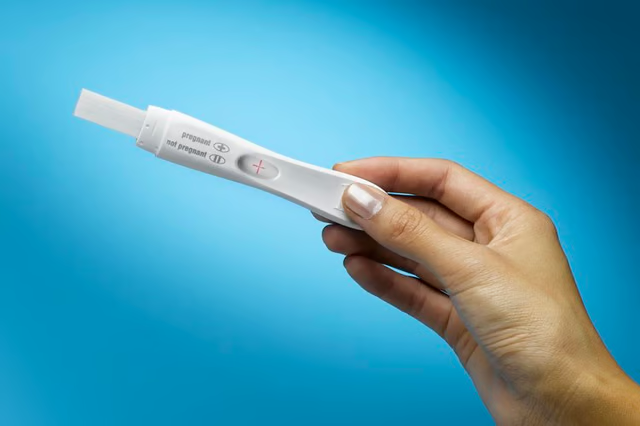
Pregnancy brings a host of body changes, many of which occur in your breasts. Nipple changes are among the earliest signs noted in pregnancy. Changes in the size and color of your nipples as well as new sensations are perfectly normal, although some can cause temporary discomfort. Knowing what to expect can help you cope with the changes pregnancy brings.
Nipple Symptoms
As soon as you become pregnant, your nipples begin the process of getting ready for breastfeeding. Nipple tingling, soreness, tenderness and itchiness are some of the first symptoms of early pregnancy. Nipples also become larger and generally darker, as will the areola, the pigmented area around the nipple. You might also notice your nipples becoming more erect, which will aid in breastfeeding after your baby is born.
When Symptoms Develop
Nipple symptoms occur very early in pregnancy, often by 4 to 6 weeks. Often, nipple and breast changes are the first symptoms you notice when pregnant. While your breasts will continue to change throughout pregnancy, the worst of the discomfort will often begin to subside by the end of the first to the middle of the second trimester.
Why Nipple Changes Occur
Increased levels of hormones and changing blood flow patterns contribute to nipple changes in pregnancy. Rising levels of the female hormone estrogen and progesterone -- the hormone produced first by the remnant of the follicle that contained the egg and then by the placenta -- can cause your nipples and areola to change color. Your blood volume increases by 40 to 50 percent during pregnancy. The increase contributes to breast and nipple swelling, which can cause itching, tingling and soreness.
Decreasing Nipple Discomfort
Nipple changes can cause an increase in nipple sensitivity that can be painful at times. You can decrease pain and discomfort by wearing a supportive but not overly tight bra, even during the night. Decrease nipple friction by wearing clothing that fits snugly without being so tight that it rubs across the nipples. If you nipples are sore, avoid nipple stimulation during sex, as this can increase throbbing or tingling.