
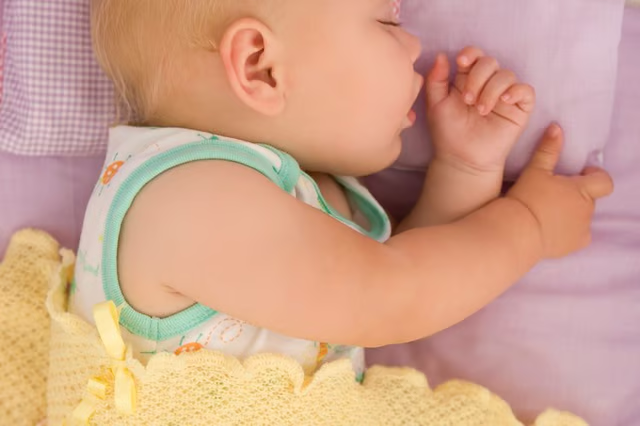
You may be alarmed some mornings to find your baby sleeping in sweaty clothes and on sweaty sheets or worry when your infant cries so hard that he works up a sweat. Infants, even newborns, have fully developed sweat glands in their heads and necks and will often sweat to regulate body temperature. Excessive sweating may be a sign of something more serious, so if you are worried at all about your baby sweating, talk to your pediatrician.
Environment
Sweating is a natural and common response that an infant will have when her environment is too warm. The body sweats to allow your baby to cool herself or to regulate her body temperature. Sometimes, riding in a car seat, being bundled in blankets or wearing warm clothing can make your baby too hot and she will sweat. Expect your baby to sweat on warmer days, even when she is only wearing a diaper.
Sudden Infant Death Syndrome
Sudden Infant Death Syndrome (SIDS) is often related to overheating at night. Sudden Infant Death Services of Illinois explains that overheating causes the baby to fall into a deeper sleep that could make it difficult for your baby to wake up. According to BabyCenter, you should keep your baby’s room between 60 degrees F and 70 degrees F and dress her in the same amount of clothing you would be comfortable in without a blanket. Also, keep blankets, toys, sheets and bumpers out of the crib while your baby sleeps.
Underlying Conditions
Rarely, sweating can indicate an underlying condition. Babies with congenital heart problems will have trouble eating and begin to sweat as they work hard to eat. Nervous system disorders, breathing problems, genetic disorders or thyroid problems could also cause your baby to sweat excessively throughout the day. Usually, your baby will show other signs of illness, too, such as pale skin or poor weight gain. If you are worried, discuss your concerns with your pediatrician.
Hyperhidrosis
When the room is cool and your baby is still sweating, and sweating profusely, he may have hyperhidrosis, says Donna Alessandro, M.D. Having a sweaty head or sweaty hands and feet is often a symptom of the condition. Hyperhidrosis can be treated as your baby gets older including basic sweat management with antiperspirant and more extensive treatment such as surgical removal of sweat glands.